


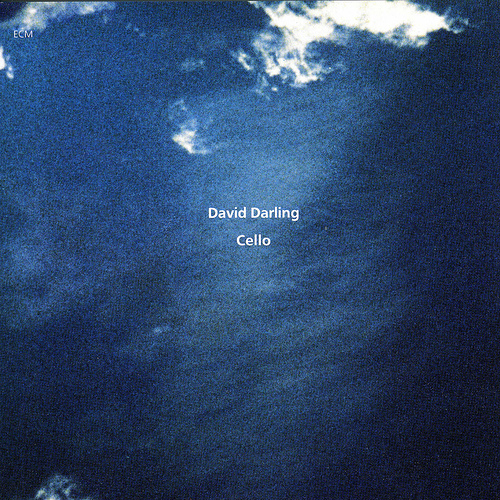
Band: David Darling
Album: Cello
Year: 1992
Genre: Contemporary Classical
Label: ECM Records
Nation: USA 🇺🇲
Score:

AUDIO RECENSIONE
AUDIO REVIEW
Mentre scrivo la recensione, il vento ulula fuori dalla finestra, dove gli scheletrici rami degli alberi, ormai spogli, si agitano come braccia di spettri contro il cielo mattutino, buio e coperto dalle tipiche nuvole del mese di novembre.
Ed all’improvviso, dal silenzio dello studio immerso nell’oscurità, una spettrale nenia di violoncello fuoriesce dalle casse dell’impianto stereo.
Ecco, se dovessi associare la scena appena descritta ad un’opera musicale, non avrei alcun dubbio nell’identificare in David Darling e nel suo album Cello l’accoppiata più azzeccata.
Ogni volta che m’immergo in questa natura morta su spartito, sento come se avessi temporaneamente rinunciato alla vita in favore di una dimensione a dir poco oscura, tetra e — verrebbe quasi da dire — occulta.
Attenzione, però, perché non stiamo parlando di una colonna sonora horror, bensì di un’opera di musica contemporanea, caratterizzata da una forte componente improvvisativa.
Il violoncellista David Darling, nato il 3 marzo 1941 a Elkhart, nell’Indiana, e scomparso l’8 gennaio 2021 all’età di 79 anni, è stato un compositore capace di muoversi con grande libertà tra musica contemporanea, jazz e sperimentazione.
Nel corso della sua carriera ha contribuito significativamente ad ampliare il modo in cui il violoncello poteva essere concepito ed utilizzato, lasciandosi alle spalle la ricerca della sola velocità esecutiva o della complessità tecnica per esplorarne le possibilità espressive, fino a trasformarlo in una vera e propria sorgente di paesaggi sonori.
Già con il suo Journal October: Solo Cello (1980), il nostro musicista registrava diverse parti di violoncello, sovrapponendole per costruire composizioni nelle quali un singolo strumento sembrava trasformarsi in un’intera orchestra, dando vita ad armonie, contrappunti, tessiture e dialoghi fra le diverse versioni di se stesso.
Con Cello (1992), a mio avviso, Darling raggiunge l’apice della propria ricerca artistica.
Ci troviamo di fronte ad un album misterioso, oscuro e talvolta persino deprimente, nel quale il violoncello si allontana dalle melodie cinematografiche, solenni e possenti a cui siamo abituati, per esplorare territori sonori decisamente più inquietanti.
Lo strumento si muove tra registri estremamente acuti e note profondamente scure, dando vita ad un’esperienza d’ascolto che sembra quasi voler mettere a disagio l’ascoltatore.
While I write this review, the wind howls outside the window, where the skeletal branches of the now-bare trees sway like ghostly arms against the dark morning sky, shrouded in the typical clouds of November.
And suddenly, from the silence of my darkened studio, a ghostly cello lament emerges from the speakers of my stereo system.
Now, if I had to associate the scene just described with a piece of music, I would have no hesitation in identifying David Darling and his album Cello as the perfect match.
Every time I immerse myself in this still life set to music, I feel as though I have temporarily renounced life in favour of a dimension that is decidedly dark, gloomy and — one might almost say — occult.
But be warned: we are not talking about a horror soundtrack, but rather a work of contemporary music characterised by a strong improvisational element.
Cellist David Darling, born on 3 March 1941 in Elkhart, Indiana, and who passed away on 8 January 2021 at the age of 79, was a composer capable of moving freely between contemporary music, jazz and experimentation.
Throughout his career, he made a significant contribution to broadening the way the cello could be conceived and used, moving beyond the pursuit of sheer playing speed or technical complexity to explore its expressive possibilities, ultimately transforming it into a genuine source of soundscapes.
As early as his Journal October: Solo Cello (1980), our musician was recording multiple cello parts and layering them to create compositions in which a single instrument seemed to become an entire orchestra, giving rise to harmonies, counterpoints, textures and dialogues between different versions of himself.
With Cello (1992), in my opinion, Darling reaches the pinnacle of his artistic exploration.
We are faced with a mysterious, dark and at times even depressing album, in which the cello moves away from the cinematic, solemn and powerful melodies we are accustomed to, venturing into decidedly more unsettling sonic territories.
The instrument moves between extremely high registers and profoundly dark notes, creating a listening experience that seems almost intent on making the listener feel uncomfortable.
Già a partire dai titoli di alcuni brani, come ‘Darkwood I’ e ‘Fables’, è possibile intuire l’immaginario evocato da Darling.
Il primo sembra richiamare alla mente la Selva Oscura dantesca, mentre il secondo ci trasporta nel mondo delle fiabe dei fratelli Grimm, con quelle atmosfere gotiche e surreali che sembrano uscite direttamente da uno dei film di Tim Burton.
La particolarità del disco risiede anche nel modo in cui il violoncello viene suonato e plasmato.
Gli archi sembrano talvolta sussurrare, altre volte producono suoni aspri e graffianti, quasi come se l’archetto venisse trascinato su frammenti di vetro rotto.
Darling riesce così a trasformare uno strumento tradizionalmente associato ad una sonorità calda e malinconica in qualcosa di profondamente inquietante.
Brani come ‘Choral’ e ‘The Bell’ sembrano perfetti come accompagnamento per una scena di miseria e morte, magari ambientata in una cittadina gotica dell’Inghilterra ottocentesca oppure in un isolato villaggio rurale del Far West americano.
È una musica che non ha bisogno di immagini per evocare luoghi e situazioni: riesce a costruirli direttamente nella mente di chi ascolta.
‘Darkwood II’, invece, mi riporta alla mente L’isola dei morti di Arnold Böcklin, con la sua atmosfera sospesa e funerea.
In effetti, Cello è un album profondamente romantico, nel senso artistico e culturale del termine: sembra quasi di attraversare una galleria d’arte nella quale si alternano le opere di Friedrich, Böcklin e Constable.
È quasi una sorta di Pictures at an Exhibition nella quale, al posto dei dipinti, sono le composizioni di Darling a guidarci da un paesaggio all’altro.
Even from the titles of certain tracks, such as ‘Darkwood I’ and ‘Fables’, it is possible to get a sense of the imagery evoked by Darling.
The former seems to bring Dante’s Dark Wood to mind, while the latter transports us into the world of the Brothers Grimm’s fairy tales, with those Gothic and surreal atmospheres that seem to have come straight out of one of Tim Burton’s films.
Another distinctive feature of the album lies in the way the cello is played and shaped.
At times, the strings seem to whisper; at others, they produce harsh, abrasive sounds, almost as if the bow were being dragged across shards of broken glass.
In this way, Darling manages to transform an instrument traditionally associated with a warm, melancholic sound into something profoundly unsettling.
Tracks such as ‘Choral’ and ‘The Bell’ seem like the perfect accompaniment to a scene of misery and death, perhaps set in a Gothic town in nineteenth-century England or an isolated rural village in the American Far West.
This is music that needs no images to evoke places and situations: it creates them directly in the listener’s mind.
‘Darkwood II’, on the other hand, brings to mind Isle of the Dead by Arnold Böcklin, with its suspended, funereal atmosphere.
Indeed, Cello is a deeply Romantic album, in the artistic and cultural sense of the term: it feels almost as though we are walking through an art gallery in which works by Friedrich, Böcklin and Constable take turns appearing before us.
It is almost a kind of Pictures at an Exhibition in which, instead of paintings, Darling’s compositions guide us from one landscape to another.
Tra i momenti più desolanti dell’album troviamo ‘No Place Nowhere’, un brano che sembra incarnare perfettamente il senso di solitudine suggerito dal titolo.
Gli accordi, lenti ed ineluttabili, si susseguono senza fretta, lasciando nell’ascoltatore una sensazione di abbandono e smarrimento.
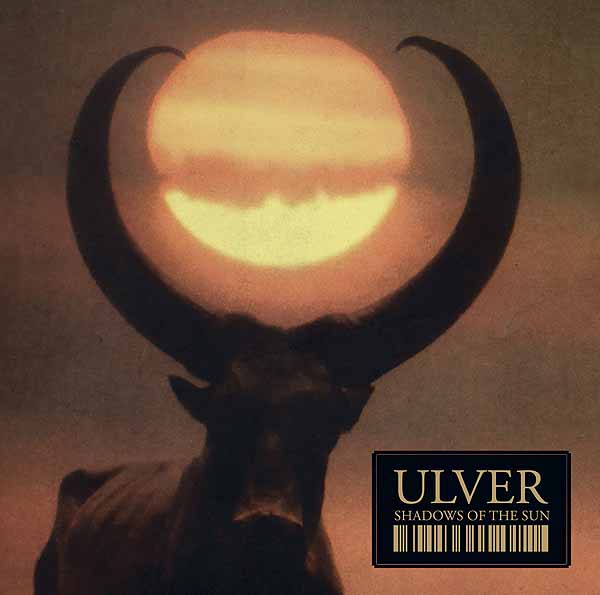
Ascoltando Cello, non ho potuto fare a meno di pensare anche a Ulver ed al loro album Shadows of the Sun.
Musicalmente parlando, tra i due album esiste un abisso; eppure, le atmosfere che riescono a trasmettere presentano qualcosa in comune.
Nessuno dei due è un concept album, ma entrambi sembrano raccontare una storia attraverso la musica, come se ogni brano fosse un capitolo di un viaggio nelle ombre dell’esistenza.
Del resto, non sorprende che le composizioni di Darling abbiano trovato spazio anche nel mondo del cinema, arrivando ad essere utilizzate da registi del calibro di Jean-Luc Godard.
La sua musica possiede infatti una capacità evocativa e visiva non comune, tanto da sembrare nata per accompagnare immagini e racconti, pur mantenendo una propria identità anche al di fuori dello schermo.
Non a caso, la stessa copertina di Cello presenta un’immagine realizzata dallo stesso Godard, ulteriore testimonianza del particolare rapporto artistico instauratosi tra il compositore ed il regista.
E proprio a proposito di cinema, vale la pena ricordare che ‘Two or Three Things (For JLG)’, uno dei brani presenti nell’album, è stato utilizzato anche nella colonna sonora di Insider – Dietro la verità (1999), il film diretto da Michael Mann.
Un titolo che rende omaggio proprio a Godard, ma che ha trovato una seconda vita anche in una produzione cinematografica completamente diversa.
E quindi, se cercate un’opera a tema per il periodo più lugubre dell’anno, troverete in Cello la colonna sonora ideale!
Among the most desolate moments on the album is ‘No Place Nowhere’, a track that seems to perfectly embody the sense of loneliness suggested by its title.
The chords, slow and inevitable, unfold unhurriedly, leaving the listener with a feeling of abandonment and disorientation.
While listening to Cello, I couldn’t help thinking of Ulver and their album Shadows of the Sun.
Musically speaking, there is an enormous gulf between the two albums; and yet, the atmospheres they manage to convey have something in common.
Neither is a concept album, but both seem to tell a story through music, as if each track were a chapter in a journey between the shadows of human existence.
It is hardly surprising, then, that Darling’s compositions have also found their way into the world of cinema, being used by directors of the calibre of Jean-Luc Godard.
His music possesses an unusual evocative and visual quality, making it seem almost tailor-made to accompany images and stories, while retaining its own identity beyond the screen.
It is no coincidence that the cover of Cello itself features an image created by Godard, further evidence of the special artistic relationship that developed between the composer and the director.
And speaking of cinema, it is worth remembering that ‘Two or Three Things (For JLG)’, one of the tracks on the album, was also used on the soundtrack of The Insider (1999), the film directed by Michael Mann.
A title that pays homage to Godard, yet found a second life in a completely different film production.
So, if you’re looking for a suitably themed work for the gloomiest time of the year, you’ll find Cello to be the perfect soundtrack!
TRACKLIST
- Darkwood I (2:21)
- No Place Nowhere (4:39)
- Fables (5:04)
- Darkwood II (1:19)
- Lament (2:50)
- Two Or Three Things (For Jlg) (4:43)
- Indiana Indian (3:24)
- Totem (2:13)
- Psalm (2:23)
- Choral (4:05)
- The Bell (2:39)
- In November (4:28)
- Darkwood III (3:18)
LINE-UP
Cello, 8-String Electric Cello: David Darling
SUPPORT THE ARTIST


Leave a Reply